


Global buyers face a rapidly expanding market, with kitchen and custom towel sales projected to reach $21 billion by 2027 and a compound annual growth rate of 5.7%. Sustainability has become a decisive factor, as over 60% of consumers now prefer materials that meet environmental standards. Buyers must consider three critical questions: What trends will define the custom towel market in 2027? How will eco-friendly and technological advances impact sourcing? Which priorities will ensure successful procurement decisions?
Key Takeaways
Sustainability is crucial. Over 60% of consumers prefer eco-friendly materials like organic cotton and bamboo.
Recycled materials are on the rise. Towels made from recycled cotton and RPET polyester help reduce environmental impact.
Low-impact dyeing techniques save water. Advanced methods can cut water usage by up to 75%, aligning with sustainability goals.
Certifications matter. Look for GOTS and OEKO-TEX labels to ensure towels meet strict environmental and safety standards.
Smart towels are emerging. RFID technology allows for better tracking and management in hospitality and healthcare settings.
Personalization drives demand. Customized towels with embroidery or unique designs enhance brand visibility and customer experience.
Multi-purpose designs are popular. Towels that serve multiple functions, like gym and travel use, cater to active lifestyles.
Transparency in sourcing is key. Consumers are willing to pay more for products with clear information about material origins and ethical practices.
Sustainability Trends in Custom Towels
The custom towel industry is experiencing a significant shift toward sustainability. Buyers now expect manufacturers to demonstrate eco-friendly initiatives at every stage of production. This section explores the leading trends shaping the market in 2027, focusing on materials, processes, and certifications that drive responsible sourcing.
Eco-Friendly Materials
Organic Cotton and Bamboo
Organic cotton and bamboo have become essential in custom towel manufacturing. Organic cotton reduces hazardous chemical use and conserves water, making it a preferred choice for high-quality towels. It offers a soft, hypoallergenic texture and comes in a wide range of colors. Bamboo fibers provide natural antibacterial properties and a silky feel, appealing to both hospitality and retail segments. Many manufacturers, including Hede Textile, prioritize responsible sourcing by selecting certified organic yarns and maintaining strict quality checks.
Organic cotton, bamboo, and recycled fibers are now standard in eco-friendly towel production.
Leading companies use organic farming and sustainable harvesting to meet global demand.
Organic materials support sensitive skin and enhance product longevity.
Recycled and Circular Fibers
The greater use of recycled and organic fabrics is a defining trend for 2027. Recycled cotton and RPET polyester, made from plastic bottles, help reduce the environmental footprint. These materials require fewer natural resources and support circular economy goals. Microfiber towels, produced with recycled content, offer high absorbency and quick drying, making them suitable for travel and promotional use.
Recycled cotton and RPET polyester are strong, durable, and 100% recyclable.
Microfiber towels hold vibrant colors and dry quickly, supporting eco-friendly initiatives.
Manufacturers respond to consumer demand by increasing the share of recycled content in their product lines.
Low-Impact Dyeing
Water-Saving Techniques
Low-impact dyeing processes have transformed the custom towel industry. Advanced dyeing methods can save up to 75% less water compared to traditional techniques. Many mills now recycle water and reduce chemical waste, aligning with sustainability goals. Hede Textile partners with dyeing facilities that use water recycling and filtration systems, ensuring efficient resource use.
Water-saving dyeing reduces environmental impact and supports sustainable manufacturing.
Efficient water management is a key factor for buyers evaluating suppliers.
Eco-Dyes and Digital Printing
Eco-friendly dyes and digital printing methods further minimize the ecological footprint. Plant-based natural dyes and hypoallergenic treatments cater to consumers with sensitive skin. Reactive dyeing processes use certified dyes and improved water management, producing vibrant, long-lasting colors. Digital printing allows for precise patterns with minimal waste.
Plant-based dyes and digital printing enhance eco-friendly towel production.
Hypoallergenic treatments ensure safety for all users.
Certifications and Traceability
GOTS and OEKO-TEX
Certifications play a critical role in verifying sustainability claims. The Global Organic Textile Standard (GOTS) and OEKO-TEX certifications ensure that towels meet strict environmental and safety criteria. Buyers should look for these marks when sourcing custom towels.
Certification Name | Description |
|---|---|
GOTS | Global Organic Textile Standard for organic fibers. |
OEKO-TEX Standard 100 | Ensures textiles are tested for harmful substances. |
OEKO-TEX Made in Green | Certifies environmentally friendly production processes. |
Global Recycled Standard | Verifies recycled content and responsible practices. |
BCI | Promotes better standards in cotton farming. |
BSCI | Improves social performance in supply chains. |
CPTAT Standard | Ensures compliance with environmental and social standards. |
Hede Textile maintains full traceability of yarn batches and dye lots, supporting compliance with international standards.
Blockchain in Supply Chain
Blockchain technology is emerging as a powerful tool for traceability in the custom towel supply chain. It provides a secure, immutable record of transactions and enables transparent information sharing among all participants. Buyers can track materials from origin through production, ensuring adherence to sustainability practices.
Evidence Description | Key Points |
|---|---|
Blockchain enhances traceability | Secure, immutable records and transparent information sharing. |
Tracking materials | Tracks materials from origin through production stages. |
Third-party auditing | Validates data, ensuring the link between physical and digital records. |
Decentralized architecture | Promotes transparency in global supply chains. |
Smart contracts | Enforces sustainable practices and identifies non-conformance. |
Tamper-proof architecture | Ensures validity and highlights attempts at tampering. |
Note: Buyers should prioritize suppliers with transparent supply chains and recognized certifications. These measures ensure product safety, ethical sourcing, and compliance with evolving global standards.
Hede Textile integrates water recycling, eco-packaging, and responsible sourcing into its operations. These practices align with the latest sustainability trends and meet the expectations of international buyers seeking reliable, eco-friendly partners.
Advanced Materials and Technology Trends
The custom towel market in 2027 will see rapid innovation in both materials and technology. Buyers now expect high-performance fabrics that deliver superior comfort, hygiene, and durability. These trends reflect a shift toward ultra-absorbent towel technology and smart towels with integrated technology, offering measurable value for hospitality, healthcare, and retail sectors.
High-Performance Fibers
Antimicrobial and Odor Control
Antimicrobial towel trends continue to shape the industry. Manufacturers use advanced treatments to inhibit bacterial and mold growth, keeping towels cleaner between washes. These treatments help prevent odors and protect the fabric from damage, reducing the need for frequent laundering. Modern antimicrobial solutions use non-toxic, environmentally safe technologies, making them suitable for sensitive skin and sustainable production.
Benefit/Safety Aspect | Description |
|---|---|
Reduced Microbial Growth | Antimicrobial treatments significantly reduce bacteria and microorganisms. |
Odor Prevention | Treatments prevent odors caused by bacterial buildup. |
Enhanced Durability | Towels maintain quality and appearance over time. |
Safety for Sensitive Skin | Non-toxic and safe for all users. |
Environmental Safety | Sustainable technologies avoid harmful chemical leaching. |
Antimicrobial additives disrupt bacterial growth and keep towels fresher.
Treatments prevent mold and mildew, preserving fabric integrity.
Towels retain color and softness, even with less frequent washing.
Quick-Dry and Absorbency
Ultra-absorbent towel technology relies on microfiber blends, bamboo, and Tencel fibers. These high-performance fabrics offer superior absorbency, quick drying, and a soft touch. Advanced weaving techniques further enhance drying speed and reduce energy use. The table below highlights recent advancements:
Advancement Type | Features |
|---|---|
Microfiber Blends | Superior absorbency, quick-drying, and softness. |
Bamboo and Tencel Fibers | Enhanced softness, moisture-wicking, and naturally antimicrobial properties. |
Antimicrobial Treatments | Silver-ion and other innovations keep towels fresher. |
Quick-Dry Technologies | Weaving methods improve drying speed and convenience. |
Smart Custom Towels
RFID and Tracking
Smart towels with integrated technology are gaining traction. RFID tags enable precise tracking and management of towels in hospitality, healthcare, and commercial laundry settings. These tags withstand high temperatures and repeated washings, ensuring long-term durability.
Application Area | Benefits |
|---|---|
Hospitality & Hotels | Automate towel tracking and inventory management. |
Healthcare & Hospitals | Ensure hygiene compliance and traceability. |
Commercial Laundries | Prevent mix-ups, automate sorting, and provide digital reporting. |
Workwear Rentals | Track garments through washing, repairs, and distribution. |
RFID tags resist bending and high heat.
Excellent reading range in both dry and wet conditions.
Durable for over 200 industrial wash cycles.
Temperature-Regulating Fabrics
Temperature-regulating fabrics represent a new wave of innovation. These materials adjust to body temperature, providing comfort in various climates. They use phase-change materials or moisture-wicking fibers to keep users cool or warm as needed.
Durability and Quality Control
Reinforced Edges
Reinforced edges, such as double-stitched hems, prevent fraying and extend towel lifespan. This feature is essential for buyers seeking long-lasting products that maintain their appearance after repeated use.
-01-2-1024x538.jpg)
Colorfastness and Shrink Resistance
Colorfastness ensures towels retain vibrant colors despite frequent washing and sunlight exposure. Shrink resistance preserves towel size and shape, supporting consistent quality. Hede Textile’s multi-stage inspection system checks for these attributes, ensuring every towel meets strict standards.
Buyers should prioritize suppliers with rigorous quality control, premium raw materials, and advanced inspection systems to guarantee durability and performance.
Design Trends in Custom Towels
The custom towel market in 2027 will be defined by a dynamic blend of aesthetics, tactile innovation, and advanced personalization. Buyers and importers must understand how design trends influence consumer preferences and purchasing decisions. Leading manufacturers like Hede Textile have responded by expanding their design and customization capabilities, offering embroidery, jacquard weaving, and premium packaging to meet diverse global demands.
Minimalist and Bold Prints
Clean Lines and Simple Aesthetics
Minimalist design trends continue to gain traction, especially in regions with a strong love for minimalism. Clean lines, subtle color palettes, and understated patterns create a refined look that appeals to consumers seeking elegance and simplicity. These towels often feature neutral tones and geometric motifs, making them ideal for luxury hospitality, spa environments, and modern households.
Minimalist designs reflect a refined aesthetic, appealing to consumers who value simplicity.
Modern and understated towels complement a wide range of interior styles.
Buyers in Europe and North America often prioritize these aesthetics for luxury cotton bath sheet towels.
Playful and Expressive Patterns
On the other end of the spectrum, bold prints and expressive patterns are making a statement. Tropical, vibrant, and retro-inspired themes attract adventurous consumers who want their towels to reflect personality and brand identity. These design trends are especially popular in beach resorts, sports clubs, and promotional campaigns.
Design Type | Consumer Appeal |
|---|---|
Tropical and Vibrant Prints | Appeals to adventurous consumers seeking vibrant styles. |
Minimalist and Modern | Attracts those desiring a refined and understated aesthetic. |
Retro and Nostalgic Themes | Resonates with consumers who appreciate vintage styles. |
The choice between minimalist and bold prints allows brands to connect with different market segments, enhancing both product appeal and brand recognition.
Texture and Tactile Appeal
Jacquard and 3D Effects
Texture has become a key differentiator in the custom towel industry. Jacquard weaving and 3D effects add depth and visual interest, elevating the perceived value of each towel. Hede Textile leverages advanced jacquard looms to create intricate patterns and raised textures, offering buyers a premium selection for luxury cotton bath sheet towels and decorative collections.
Towel Material | Key Features | Perceived Value |
|---|---|---|
Luxurious feel, plush texture, high absorbency | Symbolizes luxury and comfort | |
Bamboo | Soft, antibacterial, eco-friendly, quick-drying | Appeals to eco-conscious buyers |
Microfiber | Lightweight, highly absorbent, compact | Practical for travel and sports |
Organic Cotton | Gentle on skin, sustainable, chemical-free | Attracts consumers with sensitivities |
Jacquard and 3D textures enhance the tactile experience, making towels stand out in retail and hospitality settings.
Buyers often select these features for luxury cotton bath sheet towels targeting premium markets.
Plush and Spa-Grade Towels
Plushness and softness remain top priorities for consumers seeking a luxury experience. Spa-grade towels, crafted from high-GSM cotton or bamboo blends, deliver exceptional absorbency and comfort. Hede Textile’s production expertise ensures that every towel meets strict standards for softness, pile density, and durability.
Plush towels symbolize comfort and indulgence, increasing perceived value.
Spa-grade options are favored by hotels, wellness centers, and high-end retailers.
Personalization and Branding
Embroidery and Woven Labels
Personalization drives demand in the custom towel market. Embroidery and woven labels allow brands to showcase logos, initials, or unique motifs, transforming towels into powerful branding tools. Hede Textile’s advanced embroidery machines produce detailed, long-lasting designs, suitable for both small and large orders.
Description | Applications | Advantages | Considerations | |
|---|---|---|---|---|
Embroidery | Stitching designs, initials, or logos onto towels | Monogrammed bath towels, hotel branding | Long-lasting, intricate, premium appearance | Best for smaller designs |
Weaving Techniques | Integrating patterns/logos during production | Luxury hotel towels, decorative collections | Seamless, maintains absorbency | Higher cost, specialized looms needed |
Printing | Screen/digital/sublimation for vibrant images | Beach, promotional, novelty towels | Large, colorful, photorealistic designs | Some prints may fade over time |
Customized towels enhance brand visibility and create unique customer experiences.
High-end establishments use personalized towels to reinforce brand recall and elevate guest satisfaction.
Personalized luxury cotton bath sheet towels are increasingly popular as corporate gifts and event merchandise.
Custom Packaging Options
Packaging has evolved into a critical aspect of towel design trends. Buyers now expect options such as eco-friendly bags, gift boxes, and branded wraps that reflect both product quality and brand values. Hede Textile offers a wide range of packaging solutions, from biodegradable bags to custom-printed boxes, supporting both retail and promotional needs.
Custom packaging elevates the unboxing experience and strengthens brand identity.
Eco-friendly packaging aligns with sustainability trends and appeals to environmentally conscious consumers.
Note: Regional preferences play a significant role in shaping design trends. European buyers often favor minimalist jacquard and neutral tones, while Middle Eastern and Asian markets show a preference for vibrant embroidery and bold patterns. Hede Textile’s flexible design and manufacturing capabilities enable buyers to tailor products for specific market segments, ensuring global competitiveness.
Summary Table: Key Design Trends in Custom Towels
Trend Area | Popular Features | Buyer Value |
|---|---|---|
Minimalist Prints | Clean lines, neutral colors | Refined, versatile, modern appeal |
Bold Patterns | Tropical, retro, expressive motifs | Distinctive, brand-driven, adventurous styles |
Texture & Tactile Appeal | Jacquard, 3D effects, plushness | Enhanced comfort, luxury perception |
Personalization | Embroidery, woven labels, custom packaging | Strong branding, unique customer experiences |
Buyers who understand and leverage these design trends can differentiate their offerings, increase customer satisfaction, and build lasting brand loyalty in the evolving custom towel market.
Functional Features and Multi-Purpose Custom Towels
The latest trends in custom towel manufacturing highlight the importance of functional versatility. Buyers increasingly seek multi-purpose towel designs that adapt to diverse environments, from the gym to the beach, and from travel to wellness centers. Manufacturers like Hede Textile respond with innovative solutions that combine practicality, comfort, and advanced textile engineering.
Multi-Use and Convertible Designs
Beach, Gym, and Travel Towels
Multi-purpose towel designs now serve multiple roles. A single towel can function as a gym accessory, a beach mat, or a travel essential. These towels feature high absorbency and quick-drying properties, making them suitable for active lifestyles. Hede Textile produces microfiber quick-dry spa towels that deliver superior moisture management and easy maintenance. Their compact size and lightweight construction allow users to pack them efficiently for any journey.
Wearable and Poncho Styles
Convertible towel designs have gained popularity in hospitality and sports markets. Wearable towels, such as poncho styles, provide privacy and convenience for swimmers, surfers, and spa guests. These towels often include snap closures or hoods, allowing users to change clothes discreetly or stay warm after water activities. The flexibility of these designs supports both personal and commercial applications.
Lightweight and Compact Options
Microfiber and Space-Saving
Microfiber quick-dry spa towels stand out for their lightweight and compact nature. Travelers and outdoor enthusiasts value these towels for their portability and efficiency. The following table summarizes the key features and benefits:
Feature | Benefit |
|---|---|
Absorbency | Efficient moisture absorption |
Quick-Drying | Dries faster than traditional towels |
Lightweight | Easy to carry and pack |
Compact Design | Saves space in luggage |
Microfiber towels are thinner and less bulky than traditional options. Their design makes them ideal for those who prioritize space-saving and convenience during travel or outdoor activities.
Easy-Carry Features
Manufacturers now add easy-carry features such as hanging loops, zip pouches, or compression straps. These enhancements simplify transport and storage, making multi-purpose towel designs even more practical for daily use or adventure.
Tip: Buyers should evaluate towel weight, folding size, and included accessories to ensure products meet the needs of their target customers.
Health and Comfort
Hypoallergenic and Sensitive Skin
Health-conscious consumers demand towels that support sensitive skin. Hede Textile uses hypoallergenic materials, including organic cotton and bamboo blends, to minimize irritation. These fabrics undergo rigorous testing to ensure safety and comfort for all users, including children and those with allergies.
Antibacterial and Safety Features
Antibacterial treatments have become standard in premium towel lines. These finishes inhibit bacterial growth, reduce odors, and extend towel freshness between washes. Buyers in healthcare, hospitality, and fitness sectors benefit from these safety features, which help maintain hygiene standards and enhance user confidence.
Multi-purpose towel designs that combine advanced materials, thoughtful engineering, and health-focused features deliver measurable value for global buyers. By prioritizing these functional attributes, importers can meet evolving market expectations and strengthen their product offerings.
Market Insights and Consumer Preferences
Shifting Market Demands
Transparency and Ethical Sourcing
Transparency and ethical sourcing have become central to the custom towel market. Buyers now expect clear information about material origins and production practices. Brands that fail to meet these expectations risk losing customer trust. Recent data shows that 56% of American consumers will stop buying from brands they perceive as unethical. Additionally, 73% are willing to pay more for products with complete transparency about sourcing. This shift in demand has led to a greater focus on traceability and ethical certifications. Companies that provide full supply chain visibility and partner with eco-friendly suppliers gain a competitive edge.
75% of shoppers consider brand transparency extremely important.
86% of consumers who value transparency also prioritize traceability.
Ethical sourcing now directly influences purchasing decisions.
-5-1024x538.jpg)
Personalization and Experience
Personalization continues to drive demand in the custom towel market. Consumers seek unique designs, monograms, and packaging that reflect their individual preferences. This trend extends to both B2B and B2C segments. Hotels, spas, and resorts use personalized high-quality towels to enhance guest experiences and reinforce brand identity. For individual buyers, gifting and personal use remain strong motivators. The market now rewards suppliers who offer flexible customization and rapid sample development.
Regional Market Trends
North America and Europe
North America and Europe remain leaders in the premium custom towel market. North American buyers prioritize luxury, brand reputation, and established retail infrastructure. The region’s growth rate stands at approximately 4.5% CAGR. European consumers show a strong preference for sustainable and eco-friendly products, driven by strict environmental regulations. Innovation and eco-consciousness define market dynamics in these regions.
Region | Key Trends | Growth Rate (CAGR) |
|---|---|---|
North America | High demand for premium and luxury towels, strong brand reputation, and established retail infrastructure. | ~4.5% |
Europe | Preference for sustainable and eco-friendly products, driven by environmental regulations. | Steady growth focus on innovation and sustainability. |
Asia-Pacific and Middle East
The Asia-Pacific market experiences rapid growth due to urbanization and rising disposable incomes. Consumers in this region display diverse preferences, from minimalist to vibrant designs. The Middle East values bold patterns and plush textures, reflecting cultural tastes. Growth in Asia-Pacific exceeds 6% CAGR, making it a key area for expansion.
Region | Key Trends | Growth Rate (CAGR) |
|---|---|---|
Asia-Pacific | Rapid urbanization, rising disposable incomes, and diverse consumer preferences. | Over 6% |
Middle East | Preference for bold, luxurious designs and high absorbency. | Steady |
B2B and B2C Custom Towel Market
Hospitality and Spa Segments
The B2B segment, especially hospitality and spa, demands bulk orders, specific branding, and consistent quality. Hotels and resorts use personalized towels to elevate guest satisfaction and reinforce their brand. Hede Textile’s export experience and flexible order quantities support these requirements, ensuring timely delivery and reliable service for global clients.
Segment | Requirements | Purpose |
|---|---|---|
B2B | Bulk orders, specific branding options | Commercial use, hospitality, promotional events |
Hotels, resorts, and spas rely on custom towels for brand recall and guest comfort.
Corporate gifting and events use branded towels as practical, memorable items.
Retail, E-Commerce, and Promotions
The B2C market values unique designs, gifting options, and personal expression. E-commerce platforms and retail stores seek suppliers who can deliver small batches and rapid customization. Hede Textile’s ability to handle both large and small orders, combined with global logistics support, meets the evolving needs of this market.
Segment | Requirements | Purpose |
|---|---|---|
B2C | Unique designs, personal use, gifting | Individual needs, personal expression |
Note: Understanding these market dynamics helps buyers align sourcing strategies with regional trends and consumer expectations. Reliable suppliers with proven export experience and flexible service models will continue to lead the custom towel market.
Sourcing and Supply Chain
Lead Times and MOQ Flexibility
Efficient sourcing of custom towels and spa towels depends on lead times and minimum order quantity (MOQ) flexibility. Buyers in the spa and hospitality sectors require both rapid delivery and the ability to place small or large orders based on seasonal demand. Hede Textile addresses these needs with a streamlined production workflow and flexible order policies. The company’s 24/7 operations and advanced logistics ensure that spa towels and custom towels reach global destinations on schedule.
A closer look at order types reveals how lead times and MOQs impact sourcing decisions:
MOQ | Lead Time | Shipping Options | |
|---|---|---|---|
Stock with custom logo | 100-200 | 7-14 days | Express/air/sea |
Custom design/colors | 300-500 | 21-35 days | Sea freight/air for rush |
Full new development | 500+ | 30-45 days | Sea (FCL/LCL), air, express |
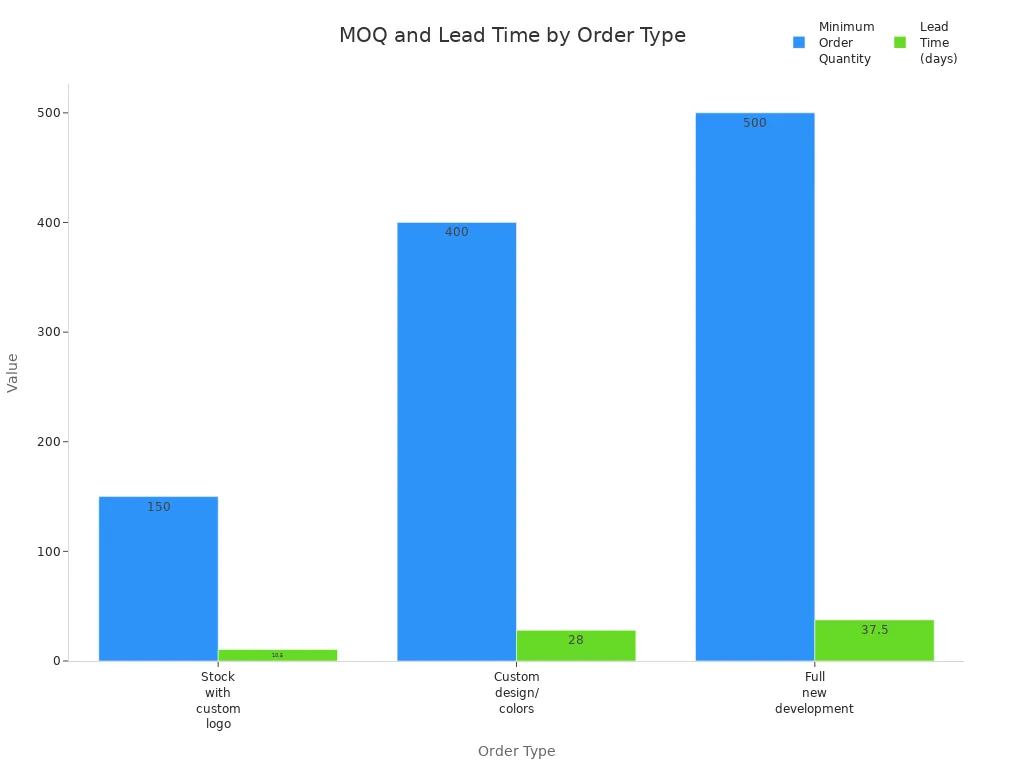
This flexibility allows spa operators, hotels, and retailers to respond quickly to market trends and changing guest preferences. Hede Textile’s ability to accommodate both small and large batches of spa towels supports promotional campaigns, new spa openings, and ongoing replenishment needs.
Quality Control and Compliance
Quality control and compliance form the backbone of a reliable supply chain for custom towels and spa towels. International buyers expect every shipment to meet strict standards for absorbency, colorfastness, and durability. Hede Textile implements a multi-stage inspection process, from raw material selection to final packaging. Each batch of spa towels undergoes rigorous testing for color consistency, shrink resistance, and softness, ensuring that every towel meets the expectations of spa and hospitality professionals.
Supply chain challenges, such as tariff-induced cost increases and procurement uncertainty, require proactive management. Importers often face:
Challenge | Description |
|---|---|
Tariff-induced cost increases | Steep tariffs on imported towels lead to significant price increases for American buyers. |
Need for diversified sourcing | Importers are exploring alternative sourcing options to mitigate risks associated with tariffs. |
Impact of uncertainty on procurement | Tariff uncertainty causes delays in decision-making and necessitates efficient logistics and forecasting. |
Rushing shipments to avoid tariff deadlines.
Stockpiling inventory to buffer against potential disruptions.
Increased safety stock of essential items like spa towels.
Hede Textile’s export team provides full documentation, including certificates of origin and compliance reports, to support smooth customs clearance. The company’s transparent tracking system and responsive communication help buyers manage risk and maintain supply continuity. For spa operators and custom towel importers, this level of reliability ensures uninterrupted service and consistent product quality.
Tip: Buyers should partner with suppliers who offer flexible MOQs, fast lead times, and robust quality assurance for spa towels and custom towels. This approach minimizes risk and maximizes operational efficiency in a competitive global market.
The custom towel market in 2027 will be shaped by sustainability, advanced technology, and versatile design. Buyers who understand these trends can make informed sourcing decisions and secure a competitive edge. To stay ahead, companies should:
Prioritize custom towel options made with biodegradable fibers and eco-friendly processes.
Embrace AI-driven design and IoT-enabled smart custom towel solutions.
Select suppliers who offer multifunctional, customizable custom towel products.
Hede Textile stands out as a trusted custom towel partner, combining manufacturing expertise, strict quality control, and global export experience. For further information or custom towel requests, buyers can contact Hede Textile’s team directly.