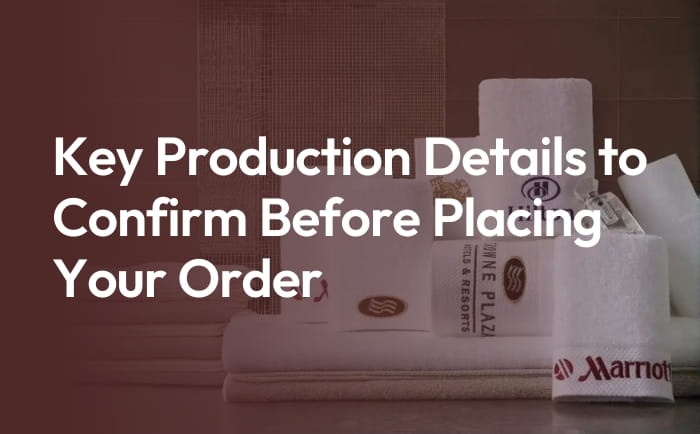



Reliable wholesale towel suppliers empower buyers to achieve consistent results and minimize sourcing risks. When buying wholesale towels, importers face challenges such as unstable GSM, fading colors, and late shipments. The eight essential qualities to look for include product quality standards, quality control processes, production capacity, customization options, reliable lead times, strong customer service, transparent pricing, and export experience.
Buyers often ask: What factors to consider before buying towels in wholesale? How can they evaluate wholesale towels for reliability? What steps help avoid costly mistakes? The table below outlines practical methods for assessing suppliers:
Method | Description |
|---|---|
Evaluate Product Quality | Assess the quality of towels by requesting samples before placing a large order. |
Check Supplier’s Reputation | Look for suppliers with a good track record for delivering high-quality towels consistently. |
Read Reviews | Gather insights from customer feedback to understand the supplier’s reliability and service. |
Understand Customer Service | Inquire about the support provided for bulk orders, including ease of contact and dedicated support. |
Clarify Return Policies | Ensure the supplier has a flexible return policy for added peace of mind. |
This article shares actionable tips to help importers and wholesalers identify trustworthy partners and make informed decisions.
Key Points
Prioritize product quality by requesting samples to assess texture and absorbency before placing large orders.
Evaluate a supplier’s reputation by checking customer reviews and their track record for consistent quality.
Ensure strong customer service by confirming the availability of dedicated support for bulk orders.
Request detailed inspection and color fastness reports to verify that towels meet your quality standards.
Look for suppliers with robust quality control processes, including multi-stage inspections and third-party audits.
Confirm reliable lead times by reviewing a supplier’s delivery history and production capabilities.
Seek suppliers who offer a wide range of customization options to align products with your brand identity.
Establish clear pricing and contract terms to avoid misunderstandings and ensure a smooth sourcing experience.
Product Quality Standards
Material Selection for Wholesale Towels
Cotton and Alternative Fibers
Reliable wholesale towel suppliers prioritize superior material selection. The choice of fiber directly impacts absorbency, softness, and durability. Buyers often look for high-quality towels made from ring-spun, Turkish, or Egyptian cotton. These materials offer plush texture and long-lasting performance, making them ideal for hospitality and retail sectors. Alternative fibers such as bamboo and modal provide eco-friendly options and unique tactile experiences. When buying towels in wholesale, buyers should consider the fiber type as a key factor to ensure comfort and longevity.
Material | Characteristics | Use Cases |
|---|---|---|
Finer, stronger, softer yarn; plush and durable | Gyms, salons, hotels | |
Turkish Cotton | Extra-long fibers; strong, smooth, absorbent; softens with washing | Spas, humid climates |
Egyptian Cotton | Known for softness and absorbency; long-lasting; withstands frequent laundering | High-end hotels, luxury use |
Yarn Quality and Traceability
Yarn quality forms the backbone of every towel. Top suppliers, including Hede Textile, implement strict yarn checks for humidity, tensile strength, and batch consistency. Traceability systems record yarn source, twist count, and moisture levels, ensuring each batch meets defined standards. Buyers should request documentation on yarn origin and quality control. This practice helps prevent issues like uneven texture or color deviation in wholesale towels.
Tip: Ask for yarn batch records and traceability reports to verify consistency before buying wholesale towels.
-04-2-1024x538.jpg)
Weaving and Finishing Techniques
Weaving and finishing techniques determine the towel’s feel, absorbency, and lifespan. Leading wholesale towel suppliers use advanced looms to produce terry, jacquard, velour, and plain weaves. Double-stitching and edge finishing enhance durability, while custom dyeing and embroidery add value for branding. Buyers should evaluate samples for softness, density, and finishing quality.
Technique | Description |
|---|---|
Waffle Weave | Exceptional absorbency and quick-drying, crafted from high-quality cotton blends. |
Custom Color Dyeing and Patterning | Offers a range of dye options and unique patterns through yarn dyeing or printing. |
Material Blend and Weight Customization | Options like 100% cotton, cotton-linen, or bamboo blends for tailored absorbency. |
Size and Edge Finishing Variations | Various sizes and edge finishing options like hems and decorative stitching. |
Embroidered Logos and Monograms | Professional embroidery for logos or personalized designs. |
High-quality bath towels require precise weaving and finishing. Buyers should conduct wash tests and inspect stitching to confirm product standards.
How Buyers Can Verify Quality
Buyers must use practical methods to confirm product quality when buying wholesale towels. The most effective steps include:
Requesting samples to assess texture, absorbency, and softness.
Evaluating materials and construction through physical inspection.
Conducting wash tests to check durability and colorfastness.
Reviewing certifications and test reports from suppliers.
These factors to consider help buyers avoid costly mistakes and ensure satisfaction with wholesale towels. Hede Textile provides sample services and supports third-party inspections, giving buyers confidence in every order.
Quality Control Processes
Multi-Stage Inspection Systems
Wholesale towel suppliers who deliver consistent quality rely on robust, multi-stage inspection systems. These systems begin with raw material checks and continue through every production phase. Each stage targets specific risks, ensuring that only high-quality towels reach the market.
Raw Material and In-Process Checks
Quality assurance starts with the selection of raw materials. Leading suppliers inspect cotton yarn for moisture, tensile strength, and batch consistency before weaving. During production, teams monitor weaving tension, loop density, and pattern alignment. Real-time monitoring and automated tracking mechanisms help teams identify faults quickly. Hourly reports provide immediate feedback, allowing for rapid adjustments. Historical data tracking supports continuous improvement and helps maintain strict quality benchmarks.
Feature | Description |
|---|---|
Real-time monitoring | Quality control teams assess and monitor defect ratios effectively in towel manufacturing. |
Automated tracking | Ensures accuracy and reduces reliance on manual inspections. |
Hourly reports | Provide timely insights into faults, enabling quick responses to quality issues. |
Historical data tracking | Measures improvements and maintains high-quality standards over time. |
Fault pattern ID | Pinpoints specific areas in the process that require improvement. |
Final Inspection and Third-Party Audits
After production, every batch undergoes a final inspection. Inspectors check for defects such as broken loops, untrimmed threads, and color inconsistencies. Many suppliers, including Hede Textile, support third-party audits by organizations like SGS or Intertek. These audits verify that the towels meet international standards and client specifications. Buyers should request inspection reports and consider third-party audits as one of the key factors to consider when buying wholesale towels.
-12-1-1024x538.jpg)
Color Fastness and Defect Rate Control
Color fastness and defect rate control play a critical role in reducing returns and maintaining customer trust. Suppliers test towels for wash fastness, ensuring colors remain vibrant after repeated laundering. Defect rate control involves isolating and analyzing faulty products to prevent recurrence.
Key Issues Identified | Details |
|---|---|
Total Defect Rate | 30% (exceeds AQL) |
Major Defects | 4 |
Minor Defects | 26 |
Common Issues | Broken holes, needle holes, extra fabric, untrimmed threads, dirt marks, scratches |
Recommendations | Strengthen QC in fabric handling, stitching, and packing processes |
A high defect rate, such as 30%, signals the need for stronger quality control in fabric handling, stitching, and packing. Reliable wholesale towel suppliers use these insights to refine their processes and deliver high-quality towels. Buyers should always review defect statistics and color fastness test results before buying wholesale towels. These steps help ensure satisfaction and reduce the risk of costly returns.
Tip: Request detailed inspection and color fastness reports from your supplier. This practice helps verify that wholesale towels meet your standards and minimizes surprises after delivery.
Production Capacity and Scalability
Meeting Bulk and Custom Orders
Wholesale towels must meet the demands of both large-scale buyers and clients seeking custom solutions. Leading wholesale towel suppliers invest in advanced manufacturing systems to handle high-volume orders while maintaining flexibility for customization. Buyers often prioritize suppliers who can deliver consistent quality, regardless of order size. The ability to scale production efficiently is one of the most important factors to consider when evaluating potential partners.
Factory Size and Equipment
Factory size and equipment directly influence a supplier’s ability to fulfill bulk and custom orders. In China, for example, large factories operate with advanced looms and automated finishing lines, supporting the world’s largest towel production capacity. The table below highlights how different countries compare in terms of production capabilities:
Country | Production Capacity Insights |
|---|---|
China | Largest towel production capacity globally, with advanced factories and efficient supply chains. |
Vietnam | Emerging player with low labor costs and improving product quality. |
India | Significant player producing high-quality towels from Indian and Egyptian cotton. |
Turkey | Renowned for premium Turkish cotton towels known for softness and durability. |
Egypt | Known for high-quality Egyptian cotton towels valued for softness and absorbency. |
Pakistan | Significant player with cost-effective production capabilities and high-quality cotton. |
A well-equipped facility can produce thousands of wholesale towels daily, offering a range of weaving types and finishing options. Modern machinery enables suppliers to switch between standard and custom runs quickly, reducing lead times and supporting diverse client needs.
Order Fulfillment History
A supplier’s order fulfillment history provides valuable insight into reliability and scalability. Buyers should review past performance, focusing on timely delivery, quality consistency, and the ability to handle urgent or complex requests. Leading wholesale towel suppliers demonstrate their scalability through:
Customization at scale, offering various sizes, fabrics, and branding details.
Consistent quality, ensuring every towel reflects luxury and durability.
Flexible minimum order quantities, accommodating both startups and large-scale buyers.
Structured manufacturing processes, including consultation, design development, fabric sourcing, sample creation, and final quality control.
Key factors influencing scalability include technological innovation, regulatory compliance, cost dynamics, and global economic trends. The table below summarizes these influences:
Key Factor | Description |
|---|---|
Technological Innovation | Advances in material science lead to more durable and eco-friendly towels, enhancing production efficiency. |
Regulatory Environment | Compliance with safety and environmental regulations necessitates changes in production processes. |
Pricing and Cost Dynamics | Fluctuations in raw material costs affect pricing strategies and drive innovation for cost reduction. |
Global Economic Factors | Economic growth in emerging markets increases demand, while geopolitical tensions disrupt supply chains. |
When buying wholesale towels, buyers should request production data, review case studies, and ask for references to verify a supplier’s track record. High-quality towels delivered on schedule reflect a supplier’s true production capacity. These steps help ensure a smooth sourcing experience and support long-term business growth.
Customization and Product Range
Wholesale towel suppliers stand out by offering a broad spectrum of customization options and an extensive product range. Buyers seeking wholesale towels often prioritize suppliers who can deliver tailored solutions that align with their brand identity and market needs.
Options for Wholesale Towels
A comprehensive product range allows buyers to select towels that fit specific applications, from hospitality to retail. Established suppliers typically provide a variety of towel types and grades to meet diverse requirements.
-
Washcloth: 11-by-11 to 13-by-13 inches, suitable for face or body cleansing.
Hand Towel: 16 to 18 inches wide by 28 to 30 inches long, ideal for drying hands.
Fingertip Towel: 11-by-18 inches, often used for decorative purposes.
Bath Towel: 20 to 30 inches wide by 40 to 58 inches long, designed to wrap the body.
Bath Sheet: 35 to 40 inches wide by 60 to 70 inches long, larger for enhanced coverage and faster drying.
Grades of Towels Offered:
Economy: Affordable and durable, suitable for high-turnover environments.
Premium: Enhanced comfort and absorbency for mid-range hospitality.
Premium Plus: Extra soft and fluffy, preferred in luxury settings.
Bleach-resistant: Designed for salons and spas where chemical exposure is common.
Embroidery, Jacquard, and Printing
Customization options extend beyond size and grade. Leading wholesale towel suppliers offer advanced techniques such as embroidery, jacquard weaving, and printing. Embroidery enables the addition of logos or monograms, supporting brand recognition. Jacquard weaving creates intricate patterns directly in the fabric, delivering a premium look and feel. Printing methods, including reactive and transfer printing, allow for vibrant colors and detailed designs. These features help buyers differentiate their wholesale towels in competitive markets.
Personalized Packaging
Packaging plays a crucial role in product presentation and protection. Suppliers provide a range of packaging solutions, including eco-friendly bags, custom-printed boxes, and compression packs for bulk shipments. Personalized packaging enhances the unboxing experience and reinforces brand value. Buyers should include packaging preferences among the factors to consider when selecting a supplier.
Design Collaboration with Clients
Effective design collaboration between suppliers and clients leads to superior product outcomes. Wholesale towel suppliers who engage in close cooperation with buyers can deliver custom private label products that reflect unique brand identities. This process often includes:
Direct communication to translate concepts into production-ready designs.
Flexibility to adjust specifications based on market feedback.
Distributors who understand their clients’ needs can recommend the best towel types, grades, and customization methods. Positive feedback from long-term partners demonstrates the value of collaborative development. This approach ensures that wholesale towels not only meet technical standards but also exceed expectations in style and functionality.
Note: Buyers benefit from suppliers who offer both a wide product range and strong design collaboration. These qualities support brand growth and customer satisfaction in the wholesale towels market.
Reliable Lead Times and Delivery

On-Time Shipping for Wholesale Towel Suppliers
Reliable lead times set the foundation for successful bulk sourcing. Wholesale towel suppliers must demonstrate consistent delivery schedules to maintain buyer trust and support business growth. Importers expect suppliers to manage production and logistics efficiently, minimizing delays and disruptions. On-time shipping reflects a supplier’s operational discipline and commitment to customer satisfaction.
24/7 Production and Logistics Support
Factories with round-the-clock production schedules can respond quickly to urgent orders and seasonal demand spikes. Hede Textile, for example, operates three shifts daily, maximizing output and reducing bottlenecks. Dedicated logistics teams coordinate with shipping partners to secure vessel bookings and prepare export documentation. This approach streamlines the entire order cycle, from manufacturing to final delivery.
Buyers benefit from suppliers who offer:
Real-time production updates through digital management systems.
Proactive communication about shipment status and potential delays.
Flexible scheduling to accommodate last-minute changes or expedited requests.
Tip: Request a detailed production timeline and logistics plan before confirming your order. This step helps you anticipate delivery dates and plan inventory accordingly.
Delivery Track Record
A supplier’s delivery history provides valuable insight into reliability. Leading wholesale towel suppliers maintain transparent records of shipment dates, transit times, and order fulfillment rates. Consistent on-time delivery signals strong process control and effective risk management.
The following table highlights key practices that support reliable lead times for international shipments:
Practice | Description |
|---|---|
Suppliers source materials close to manufacturing sites, reducing transit times and avoiding delays. | |
Streamlined Operations | Efficient order processing and workflow management ensure timely production and dispatch. |
Customer Service | Experienced support teams address logistics concerns, resolve issues, and keep buyers informed. |
Buyers should review a supplier’s delivery track record by requesting references, shipment logs, and client feedback. Reliable wholesale towel suppliers provide clear documentation and maintain open communication throughout the shipping process.
Note: Consistent delivery performance reduces inventory risks and strengthens long-term partnerships. Always verify a supplier’s logistics capabilities before placing bulk orders for wholesale towels.
Communication and Customer Service
Effective Support for International Buyers
International buyers expect seamless communication and responsive customer service from wholesale towel suppliers. Suppliers who excel in this area build trust and reduce the risk of misunderstandings. Buyers often face several challenges when sourcing towels globally:
Language barriers can lead to confusion about specifications or order details.
Slow response times may delay decision-making and disrupt project timelines.
Clear and concise communication remains essential to avoid costly errors.
Leading suppliers address these challenges by providing dedicated account managers who understand the needs of international clients. Account managers act as single points of contact, guiding buyers through each stage of the order process. They clarify requirements, confirm specifications, and coordinate with production teams. This approach streamlines communication and ensures that buyers receive accurate information.
24/7 Response and Account Management
Round-the-clock support sets reliable suppliers apart in the global market. Factories like Hede Textile maintain 24/7 response systems, allowing buyers to reach their account managers at any time. This availability proves crucial for clients operating in different time zones or managing urgent orders. Account managers monitor inquiries, provide technical advice, and update clients on order progress.
Buyers benefit from:
Service Feature | Benefit to Buyer |
|---|---|
24/7 Response | Immediate answers to questions |
Dedicated Account Manager | Personalized support and guidance |
Technical Consultation | Expert advice on towel specifications |
Order Tracking | Real-time updates on production status |
Tip: Buyers should confirm the supplier’s response policy and account management structure before placing orders. Reliable support reduces stress and improves sourcing efficiency.
Transparent Updates and Problem Resolution
Transparency in communication helps buyers manage expectations and avoid surprises. Top suppliers provide regular updates on production, shipment schedules, and any potential delays. They use digital management systems to share photos, videos, and progress reports. This practice keeps buyers informed and enables proactive planning.
When issues arise, effective problem resolution becomes critical. Suppliers who address concerns promptly and professionally demonstrate their commitment to long-term partnerships. They investigate the root cause, propose solutions, and follow up to ensure buyer satisfaction.
Buyers should look for suppliers who:
Offer clear documentation for every stage of the order.
Communicate openly about challenges and solutions.
Provide after-sales support to resolve any post-delivery issues.
A supplier’s ability to maintain transparent updates and resolve problems quickly reflects their reliability in the wholesale towels market. Consistent communication and responsive service help buyers achieve smooth transactions and build lasting business relationships.
Transparent Pricing and Terms
Fair Pricing for Wholesale Towels
Reliable suppliers establish trust by offering transparent pricing structures. Buyers expect clear quotations that detail every cost component, including raw materials, customization, packaging, and logistics. This approach helps buyers compare offers and budget accurately. Suppliers who provide itemized quotes demonstrate professionalism and reduce the risk of hidden charges. In the wholesale towels market, clarity in pricing supports long-term partnerships and minimizes misunderstandings.
Tip: Request a detailed price breakdown before confirming any order. This practice ensures you understand all costs and can negotiate effectively.
Clear Quotations and Contracts
Clear quotations and well-defined contracts form the backbone of successful transactions. Leading suppliers outline product specifications, delivery schedules, payment terms, and warranty clauses in their contracts. These documents set expectations and protect both parties from ambiguity.
Transparent pricing and contract terms clarify responsibilities for buyers and suppliers.
Contracts specify price, quality, and delivery terms, reducing misunderstandings.
Each contract outlines procedures for handling non-conforming goods.
Buyers must inspect goods promptly and notify suppliers of any issues within a set timeframe.
Limitation of liability clauses prevent disputes from escalating.
A sample contract table may include:
Clause | Description |
|---|---|
Product Specification | Material, size, GSM, color, finishing |
Price Terms | Unit price, total amount, currency |
Delivery Schedule | Production lead time, shipping method |
Payment Terms | Deposit, balance, payment method |
Warranty & Returns | Defect handling, return process, liability limits |
Buyers should review every contract detail and seek clarification on any unclear points. This diligence reduces the risk of disputes and ensures smooth cooperation.
Payment and Return Policies
Payment and return policies play a vital role in risk management. Reliable suppliers offer flexible payment options, such as bank transfer, letter of credit, or PayPal, to accommodate global buyers. Clear payment schedules—often requiring a deposit before production and balance before shipment—help both parties plan cash flow.
Return policies must address defective or non-conforming goods. Suppliers typically require buyers to inspect shipments upon arrival and report any issues within a specified period. The contract should outline the process for returns, replacements, or refunds, ensuring both sides understand their obligations.
Note: Always confirm the supplier’s payment and return policies before placing an order. Transparent terms protect your investment and foster a trustworthy business relationship.
Transparent pricing and well-defined terms create a foundation for successful sourcing of wholesale towels. Buyers who prioritize these qualities experience fewer disputes and greater satisfaction throughout the supply chain.
Export Experience and Reputation
Proven Track Record with Hotel Towels
Reliable wholesale towel suppliers demonstrate export experience through a consistent history of supplying hotel towels to international clients. The best hotel towel programs require strict adherence to quality, timely delivery, and compliance with destination market standards. Suppliers with a proven track record often serve hotels, resorts, and hospitality chains across multiple regions. They understand the unique requirements of luxurious and durable hotel towels, including absorbency, softness, and longevity.
A supplier’s export experience becomes especially important for buyers in the hospitality sector. Hotel towels must meet high expectations for comfort and durability. Suppliers who have delivered the best hotel towel solutions to leading hotels can provide references and case studies. These examples help buyers assess reliability and product performance in real-world settings.
References and Client Feedback
Buyers should request references and client feedback when evaluating wholesale towel suppliers. Positive testimonials from hotel clients indicate a supplier’s ability to deliver luxurious and durable hotel towels that meet industry standards. Feedback often covers product quality, delivery punctuality, and after-sales support.
A simple checklist for verifying supplier reputation includes:
Requesting contact information for hotel clients.
Reviewing written testimonials or case studies.
Asking for photos of delivered hotel towels in use.
Checking for repeat orders from hospitality brands.
Note: Consistent positive feedback from hotels signals a supplier’s expertise in producing and exporting hotel towels that meet demanding requirements.
Export Documentation and Compliance
Exporting hotel towels involves navigating complex international trade regulations. Suppliers must prepare accurate documentation and comply with both national and international standards. Proper export documentation ensures smooth customs clearance and reduces the risk of shipment delays.
Key export documents include:
Document Type | Purpose |
|---|---|
Commercial Invoice | Details product, price, and transaction terms |
Packing List | Lists contents and packaging details |
Certificate of Origin | Verifies manufacturing location |
Test Reports | Confirms product meets safety standards |
Export License | Authorizes shipment to destination country |
International trade regulations introduce challenges in compliance, documentation, and operational costs. Suppliers must address tariffs, trade agreements, and product classification rules. Regulatory bodies oversee customs procedures and quality standards, making robust internal systems essential for successful exports. Companies face evolving regulations and geopolitical uncertainties, which require ongoing attention to compliance.
Buyers should verify that suppliers maintain up-to-date export records and support third-party certifications. These steps help ensure that hotel towels meet destination market requirements and arrive on schedule.
Tip: Always confirm that your supplier provides complete export documentation and complies with relevant trade regulations. This practice protects your investment and supports a smooth import process for wholesale towels.
Industry Trends in Wholesale Towels
The wholesale towel industry continues to evolve as buyers demand higher standards in sustainability, material innovation, and supply chain transparency. Recent trends highlight a shift toward eco-friendly materials, advanced dyeing techniques, and smarter packaging solutions. Buyers benefit from these developments through improved product performance, reduced environmental impact, and more reliable sourcing.
Sustainability and Material Innovation
Sustainability now shapes purchasing decisions in the towel sector. Buyers increasingly seek products that minimize environmental impact and support ethical practices. Several material innovations stand out:
Bamboo towels offer exceptional softness and quick-drying properties. Bamboo grows rapidly, requires little irrigation, and is biodegradable, making it a preferred eco-friendly option.
Sustainable cotton towels gain popularity due to reduced resource use and support for fair labor. Eco-certified cotton appeals to buyers who prioritize responsible sourcing.
The demand for eco towels made from sustainable cotton reflects a broader shift in consumer values toward ethics and environmental stewardship.
Material science advancements also drive product improvements. Suppliers introduce microfiber, bamboo, and specialized cotton blends to enhance absorbency, softness, and drying speed. Quick-dry and antimicrobial towels now address usability in humid climates. Eco-friendly dyeing methods further reduce the environmental footprint of towel production.
Innovation Type | Description | Impact on Product Offerings |
|---|---|---|
Advanced Fibers | Microfiber, bamboo, and cotton blends | Improved absorbency, faster drying, enhanced feel |
Eco-friendly Production | Sustainable manufacturing practices | Attracts environmentally conscious buyers |
Technology Integration | Moisture-wicking and antimicrobial technologies | Boosts functionality and consumer appeal |
Note: Buyers should request information on material sourcing and production methods to ensure alignment with sustainability goals.
Logistics and Digital Management
Digital transformation reshapes logistics in the wholesale towel industry. Suppliers adopt advanced management tools to streamline operations and improve service quality.
Tool Type | Description |
|---|---|
Inventory Management | Tracks and manages stock levels efficiently |
Omni-channel Order Management | Processes orders across multiple sales channels for better fulfillment |
Customer Relationship Management | Enhances client interactions and satisfaction |
Shipment Planning | Provides real-time visibility and efficient order management during shipping |
AI-driven Job Optimization | Optimizes warehouse tasks and resource allocation |
Volume-based Pricing Model | Aligns pricing with operational efficiency |
Suppliers leverage these tools to provide real-time updates, accurate inventory tracking, and faster order processing. AI-driven systems optimize warehouse operations, reducing errors and improving delivery reliability. Buyers experience smoother transactions and greater transparency throughout the supply chain.
Tip: When evaluating suppliers, buyers should inquire about digital management capabilities and logistics support to ensure timely and accurate order fulfillment.
Selecting wholesale towel suppliers with proven strengths in quality, delivery, and service drives sourcing success. Key qualities include consistent product standards, timely delivery, and responsive customer support. These factors ensure hotel towels meet expectations and foster lasting business relationships.
Consistent quality supports high standards.
Timely delivery maintains operational efficiency.
Strong service builds trust.
Thorough supplier evaluation reduces risk and improves outcomes for wholesale towels. Buyers who prioritize these qualities secure reliable, long-term partners. Hede Textile stands as a dependable choice for bulk or custom towel projects. If you would like technical details, sampling support, or guidance on upcoming projects, Hede Textile’s export team is available to assist whenever needed.